Key takeaways
- A falling tank level without usage and higher water bills are key leak signs.
- Insulation quality depends on cleaning, drying and repairing cracks before application.
- The lining material must be intended for drinking-water tanks.
- Do not refill until the lining has fully cured per the manufacturer’s instructions.
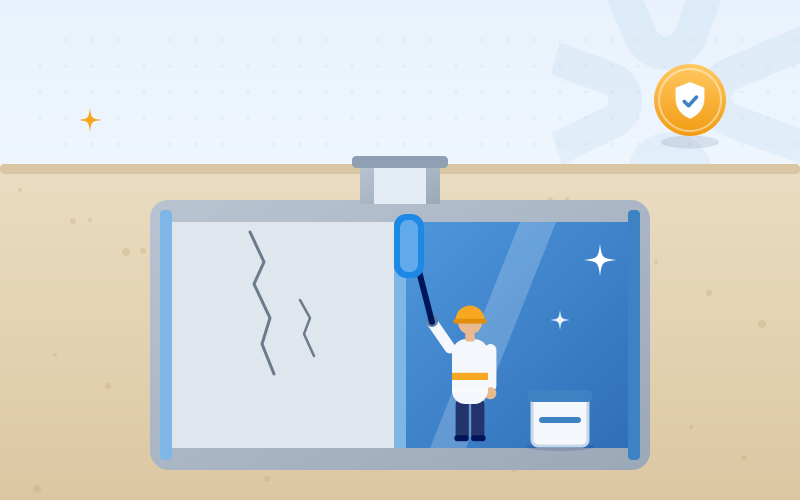
A leaking underground tank doesn’t just waste water — it can let damp and dust in and, over time, affect the building’s walls and foundations. Epoxy lining is one of the most common ways to protect concrete tanks.
Signs a tank needs insulation
- The water level drops with no obvious usage.
- An unexplained rise in the water bill.
- Damp or leaks on walls or floors near the tank.
- Visible cracks in the tank walls when inspected.
- Discoloured water or dust getting in.
A simple leak test
- Close every tap in the house and turn off the float valve.
- Mark the water level inside the tank.
- Check the level again after several hours with no usage.
- If it has dropped, there is probably a leak that needs inspection and insulation.
The right insulation steps
| Step | What happens |
|---|---|
| Inspection | Locate cracks and assess the concrete |
| Draining & cleaning | Remove water and sediment, wash the walls |
| Drying | Dry the tank thoroughly — lining won’t bond to a damp surface |
| Surface preparation | Remove weak material, treat cracks and corners |
| Primer | Improve adhesion between concrete and lining |
| Epoxy coats | Apply the coats at the required thickness |
| Curing | Leave the lining to cure fully before refilling |
| Wash & restart | Wash the tank, then refill |
What to ask before the work
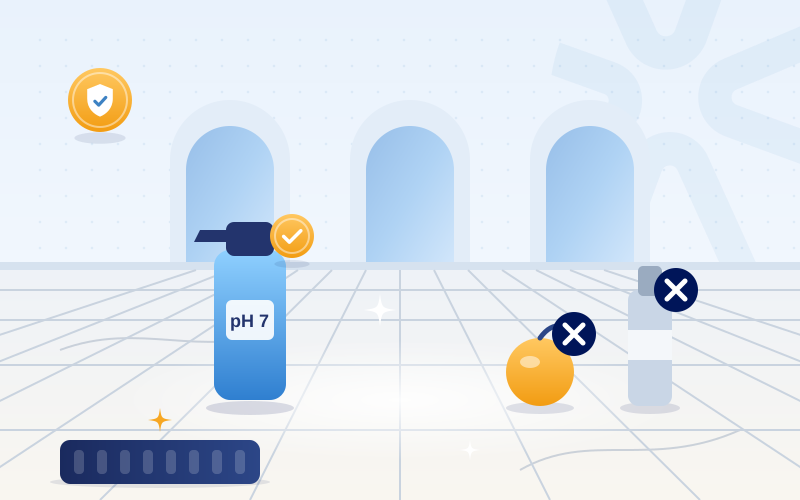
- Is the material intended for drinking water? Look for a product certified for contact with drinking water (such as NSF/ANSI 61).
- How many coats, and what thickness? It depends on the tank and the product.
- How long is the cure before refilling? It varies with the product and temperature; follow the manufacturer’s instructions.
- Does the quote include cleaning and crack repair? They are essential to a lasting result.
Insulation and cleaning together
It’s best to insulate as part of one project with water tank cleaning and disinfection, since cleaning and drying come first and the tank is washed again after curing.
Summary
Don’t wait for leaks to get worse — early inspection saves water and protects the building. Takamul provides water tank insulation in Riyadh with drinking-water-grade materials, including cleaning and crack repair before lining.
FAQ
How can I test my tank for leaks myself?
Close every tap and the float valve, mark the water level, and check it again after several hours. If the level drops with no usage, there is probably a leak.
How long does epoxy insulation last?
It depends on the material, surface preparation and tank conditions; lining applied to a clean, dry, repaired surface lasts many years with periodic checks.
Can a tank be insulated without cleaning it first?
No. Lining does not bond well to a dirty or damp surface, so insulation is always preceded by cleaning and drying.
Water Tank Insulation in Riyadh
Professional tank lining with high-quality epoxy to prevent leaks and protect water from contamination.